

Your AP “Automation” Is Handling the Easy 70%
Optical character recognition (OCR) reads the invoice. A rules engine tries a match. The moment anything looks unfamiliar, it lands on someone's desk anyway like it did five years ago.
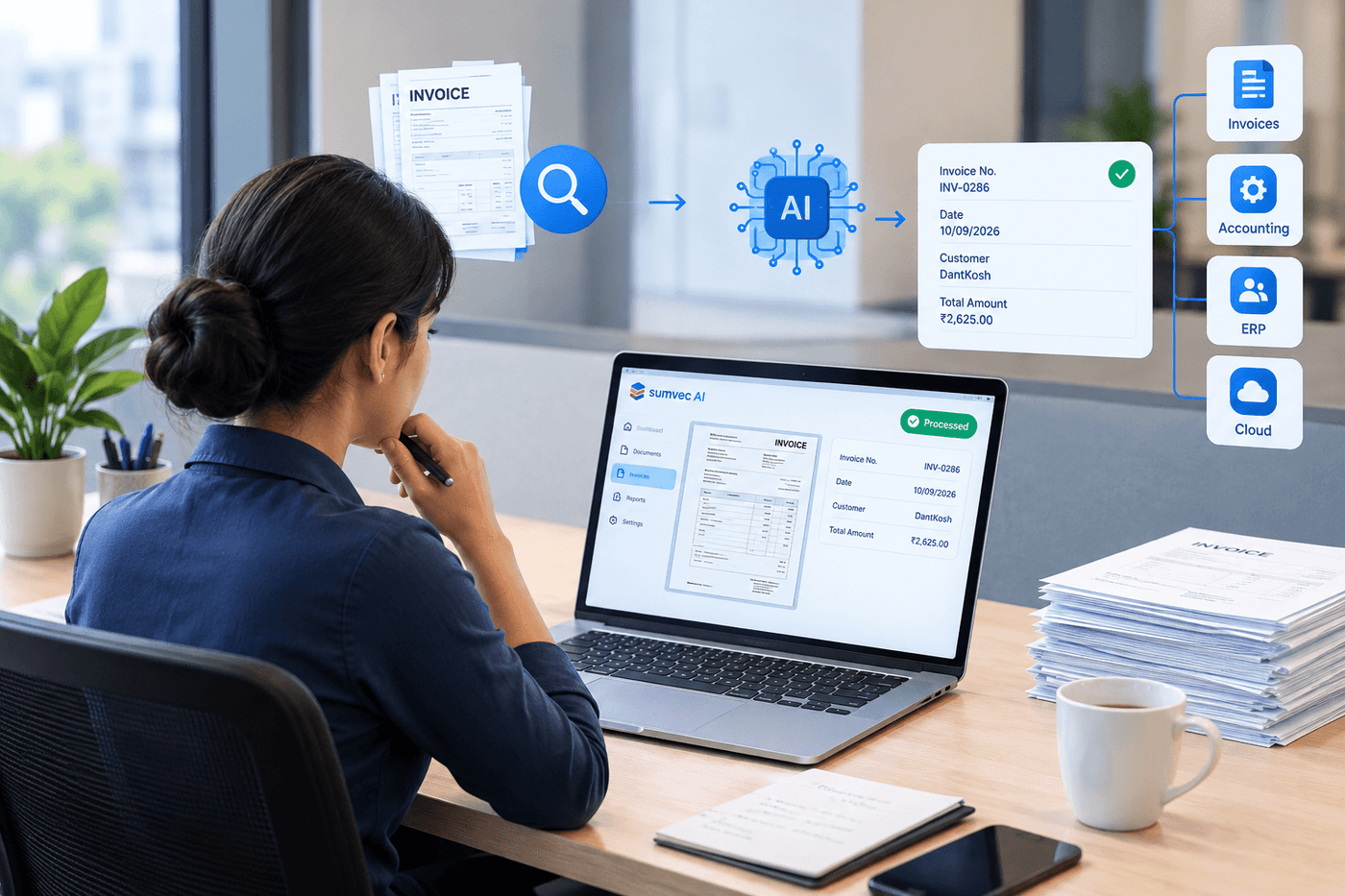
Ask ten finance leaders what “AP automation” means and most describe the same setup: OCR reads an invoice, a rules engine tries to match it to a purchase order (PO), and a human steps in the moment anything looks unfamiliar. That's automation of the easy 70%. The other 30% mismatches, missing POs, duplicate vendors, split coding still lands on someone's desk, every single week.
Where Basic Automation Runs Out
- OCR breaks on non-standard formats, handwritten notes, and scanned faxes — the exact invoices that take longest to process by hand, too.
- Rules engines can't explain themselves. A failed check just lands in a queue, so the exception queue grows faster than anyone trusts it.
- Vendor master data drifts duplicate records, inconsistent bank details — faster than any manual clean-up cycle keeps pace with.
- Three-way matching (invoice, purchase order, and goods receipt note or “GRNˮ) assumes clean data that manufacturing and distribution businesses rarely have on hand